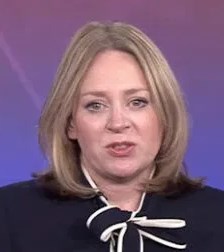
Rep Emerson Levy (D, HD53), and Sen Anthony Broadman (D, SD27) will be holding two Joint Town Hall sessions on Sun, Jan 25 in Central Oregon. Rep Jason Kropf (D, HD54) will join at the Bend location only. Learn more about the things they’re working on in the upcoming short session for you, like a State Sales Tax!
Remind them they have a spending problem, not a revenue problem.
Bend –
January 25, 2026, 1:00pm – 2:30pm
OSU Cascades, Edward J. Ray Hall Atrium
1500 SW Chandler Ave. Bend, OR 97702
Redmond –
January 25, 2026, 3:30pm – 5:00pm
Redmond Senior Center
325 NW Dogwood Ave. Redmond, OR 97756
Here’s an explanation of the Legislative Concept (LC 302) in plain English.
TL;DR: The “Tax Swap” Proposal
This bill proposes a major deal: Oregon would cut income and business taxes significantly, but only if the state establishes a new “Retail Sales Tax”.
Essentially, it shifts the state’s revenue model away from taxing income (what you earn) and towards taxing consumption (what you buy).
1. The “Trigger”: It Only Happens with a Sales Tax
None of the tax cuts in this bill go into effect unless Oregon passes a statewide sales tax on goods and services.
The Requirement: The sales tax must be at least 3%.
The Deadline: The sales tax must be up and running by January 1, 2030.
2. The “Carrot”: Tax Cuts for Individuals and Businesses
If the sales tax is implemented, the state promises to lower other taxes in return:
Personal Income Tax: The bill proposes new tax tables. While the specific rates in the draft look similar to current ones (ranging from 4.75% to 9.9%), the bill mandates that the Department of Revenue estimate the revenue lost due to reductions, implying the goal is a net cut for taxpayers.
Corporate Taxes:
Corporate Activity Tax (CAT): The rate commercial activity is taxed at would be reduced.
Corporate Income Tax: The tax rates on the first $1 million of income (and amounts above that) would be reduced.
Minimum Tax: The minimum tax corporations pay would be slashed. For example, a company with $500,000 to $1 million in sales currently pays $500; the bracket indicates this is being removed or lowered.
Estate Tax (Death Tax): This is a massive change. Currently, Oregon taxes estates worth over $1 million. This bill would raise that threshold to **$13.99 million**, meaning no estate tax would be due unless the estate is worth more than roughly $14 million.
3. Where Would the Sales Tax Money Go?
The money collected from the new sales tax is strictly designated for specific buckets:
Replacing Lost Revenue: First, it must replace the money the state loses by cutting the income and business taxes mentioned above.
Public Safety: Funding for police, firefighters, courthouse safety, and public defenders.
Wildfires & Environment: Money for wildfire suppression, prevention, and the Oregon Conservation Corps.
Education: Funding to add 40 extra hours of instruction time for K-12 students every year.
Economy & Families: Funding for workforce development, increasing the Earned Income Tax Credit (a tax break for lower-income workers), and subsidizing day care [cite: 45-47].
4. Safety Checks
Revenue Neutrality: The Department of Revenue must calculate how much money the state “lost” by cutting income taxes and move that exact amount from the Sales Tax pot into the General Fund to keep the budget balanced.
Summary Table Copied from Gemini AI
Check our calendar for other events where you can speak up to make a difference.
This information is provided so you can engage the principles of Oregon Citizen’s Lobby. We do not endorse any candidate. OCL is the only Oregon lobby working 100% for and by CITIZENS of Oregon; we are truly the voices of Oregonians, not special interests. Sign-up here to see how you can volunteer right from your own home to help spread the word and enhance the effectiveness of OCL. Want to help but don’t have time to volunteer? Help support OCL with a donation of any amount here!